A week in Basilicata is enough to understand why people who find it rarely stop talking about it. It is not enough to exhaust it — nothing is — but it is enough to move through its distinct zones with something approaching the pace the region deserves.
This itinerary assumes a rental car, which is non-negotiable. Basilicata's interior cannot be reached by public transport in any meaningful way, and the roads — slow, winding, insistent — are themselves part of the experience. It assumes a base that moves, ideally two nights each in Matera, the Aliano area, and Castelmezzano, with day trips radiating outward. And it assumes a willingness to stop when something demands stopping, which in Basilicata happens constantly.
The itinerary below works best in spring (April-June) or autumn (September-October) — the light is extraordinary, the heat manageable, and the tourist infrastructure, such as it is, operating without the pressures of high summer.
Day 1 — Matera: Arrival and First Encounter
Arrive in Matera in the afternoon. Check in, then do nothing except walk to the belvedere on Via Bruno Buozzi and let the Sassi reveal themselves across the Gravina gorge. Do not consult a guidebook. Do not plan a route. Just look, for as long as it takes.
In the evening, eat in the Sasso Caveoso — the lower of the two Sassi districts, quieter than the Barisano. Order anything with lamb or aged pecorino. Drink local wine. Go to bed early. You need the morning light.
Where to stay: A cave hotel in the Sassi is worth the cost for at least one night — the experience of sleeping in a dwelling that has been inhabited for ten thousand years is not replicated anywhere else.
Day 2 — Matera: The Sassi in Depth
Be in the Sassi before 8am. The tour groups arrive around 10. In those two hours, with the early light on the pale stone and almost nobody around, you will have one of the best mornings available to a traveler in southern Italy.
Spend the morning in the rupestrian churches — the cave churches carved directly into the rock and decorated with Byzantine frescoes. The Chiesa di Santa Maria de Idris and the Cripta del Peccato Originale (a short drive outside the city, worth it) are the most significant. Both require patience with the access arrangements but reward it.
Afternoon: the Museo Nazionale della Siritide in Metaponto is a day trip worth considering — 90 minutes by car, returning via the Tavole Palatine Greek temple ruins. Or stay in Matera and walk the Murgia plateau across the Gravina gorge for the reverse view of the Sassi.
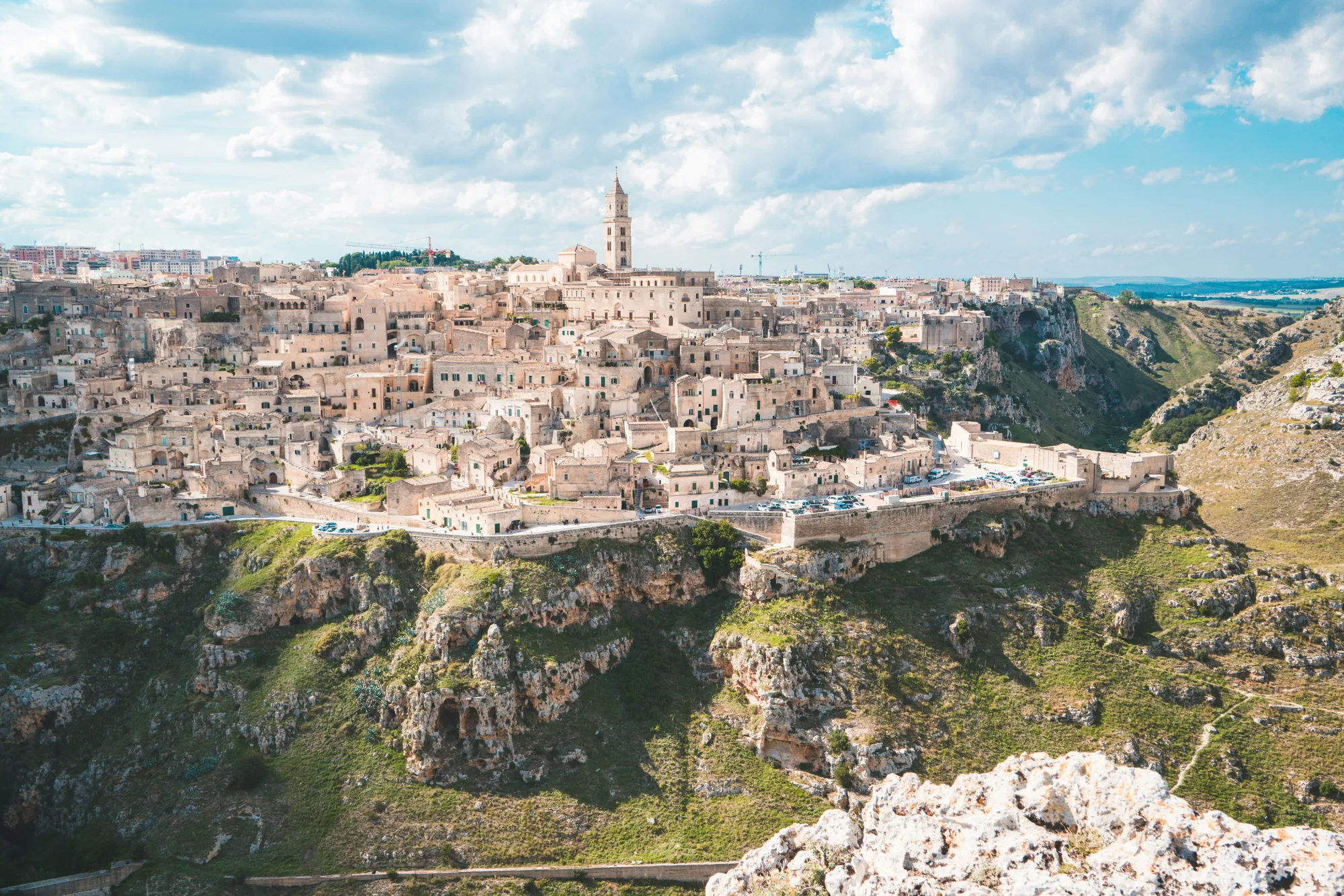
The Sassi di Matera — one of the oldest continuously inhabited settlements on earth
Day 3 — Drive to Aliano: The Calanchi and Levi Country
Leave Matera after breakfast and drive southwest toward Aliano. The journey takes about 90 minutes and passes through the broad agricultural valley of the Agri river before climbing into the clay landscape that announces the Calanchi zone. You will know you have arrived when the earth changes color.
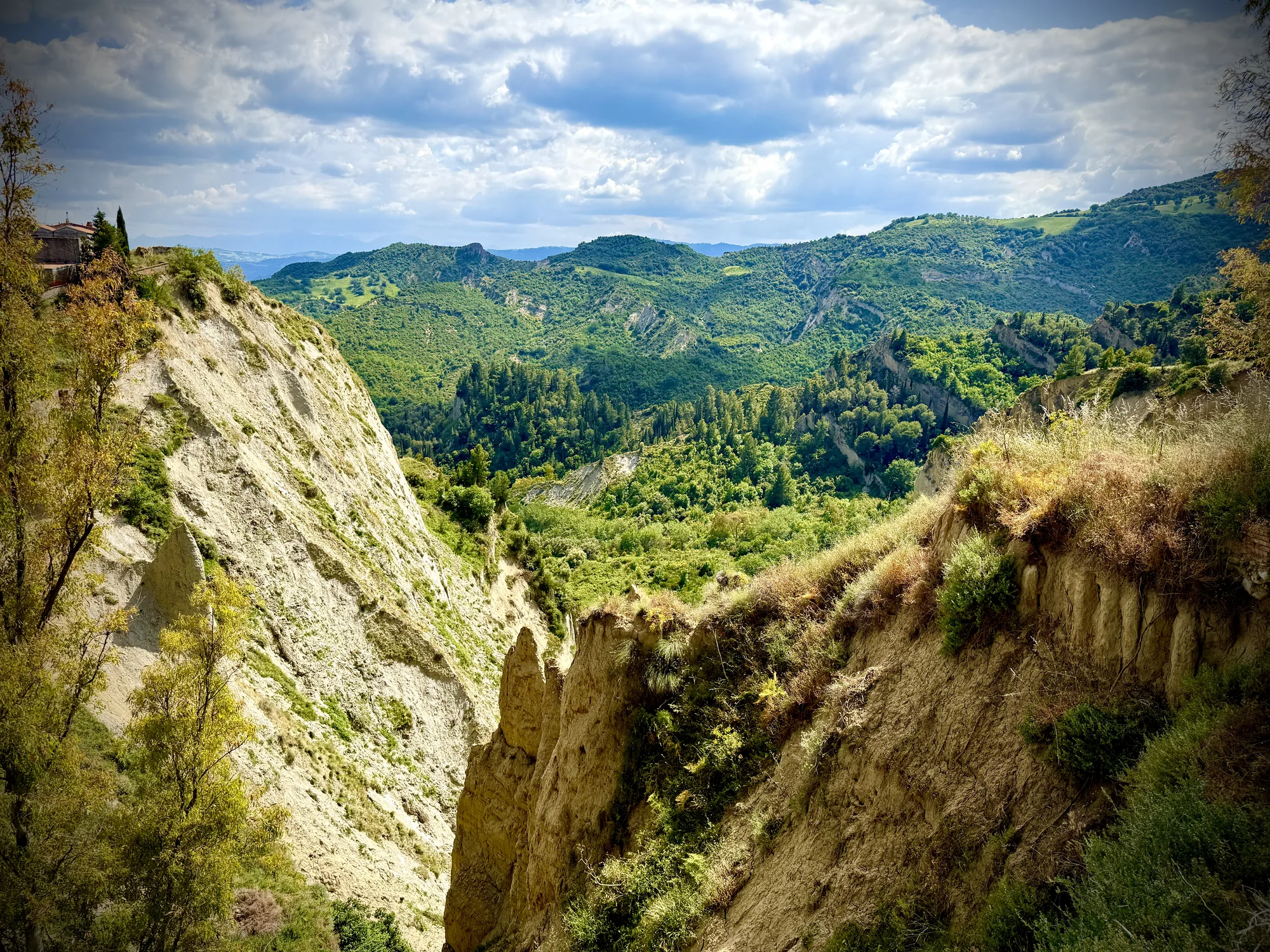
Park at the edge of Aliano village and walk to the Calanchi viewpoint before doing anything else. The pale clay ravines below the village, best seen in morning light when the shadows define the erosion most sharply, are your introduction to the landscape that shaped Carlo Levi and everything this site is built around.
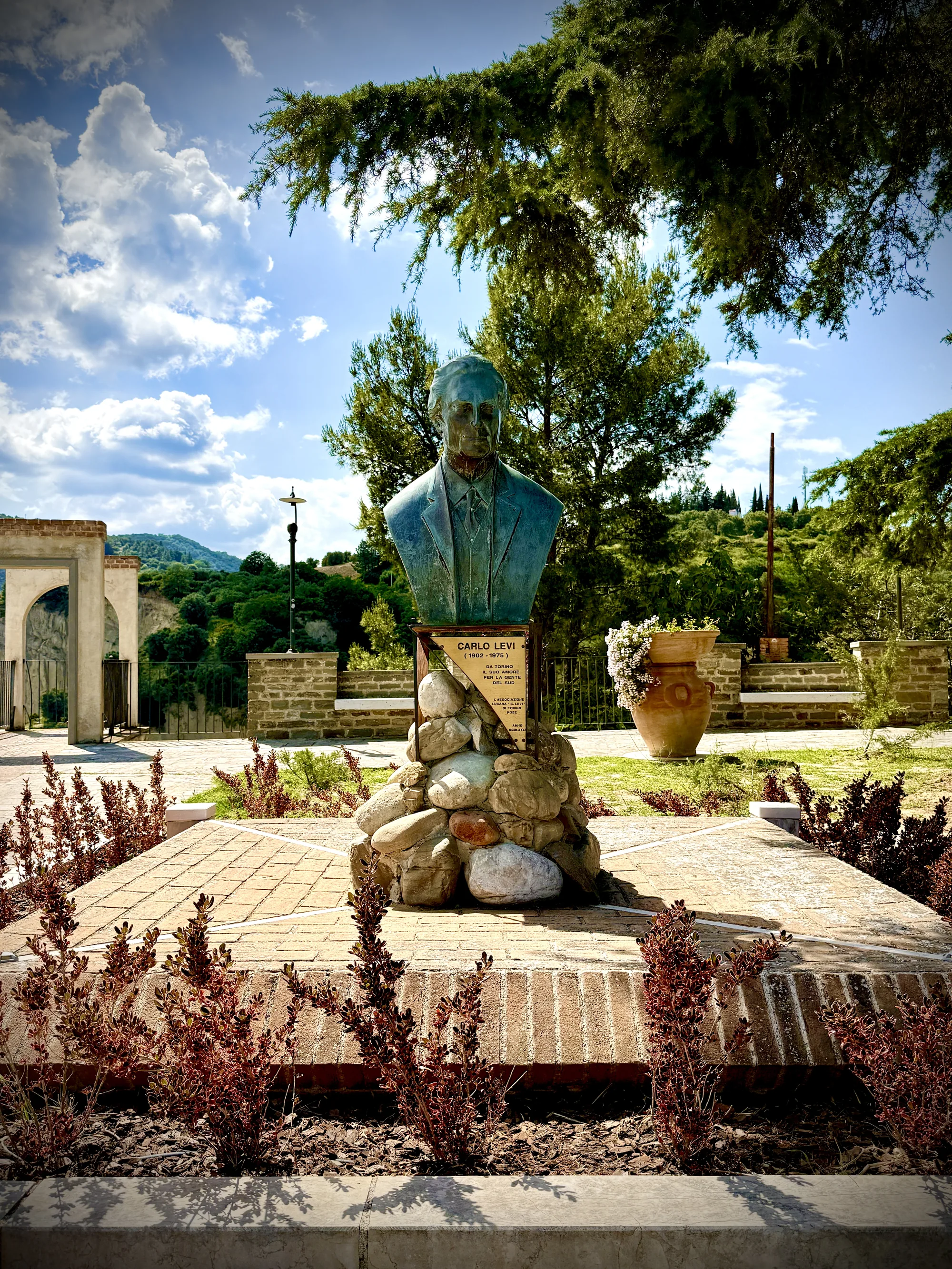
Spend the afternoon in the Museo Carlo Levi — his paintings, manuscripts, and personal effects housed in the village where he was exiled in 1935. Read the wall texts slowly. Look at the portraits. This is not a museum to rush.
Evening in Aliano or the nearby town of Stigliano. The restaurants are simple and the food is extraordinary — this is cucina povera at its most honest, using ingredients that have been grown in this soil for centuries.
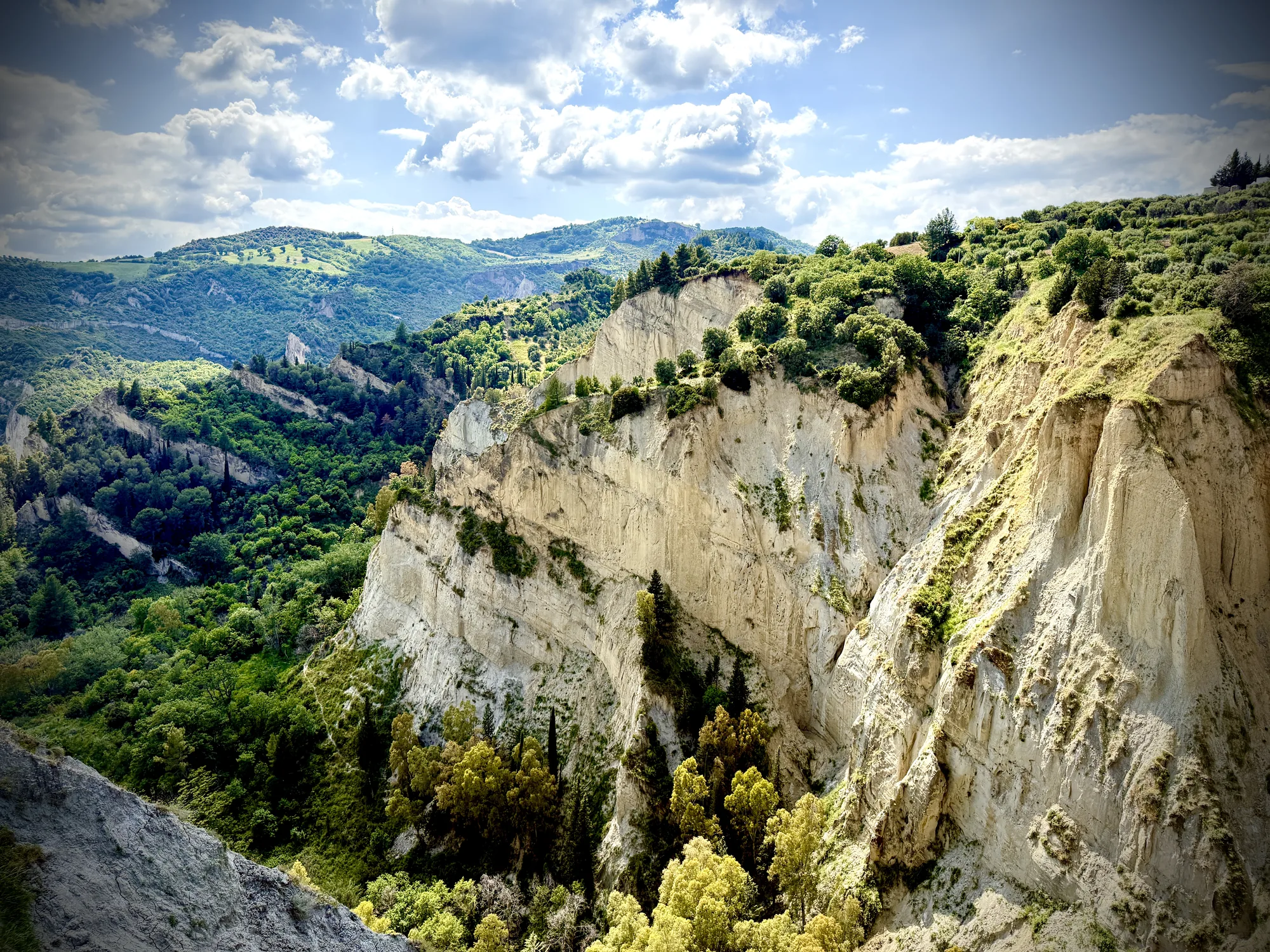
The Calanchi of Aliano — bone-white clay ravines shaped by centuries of patient erosion
Day 4 — Craco and the Ghost Towns
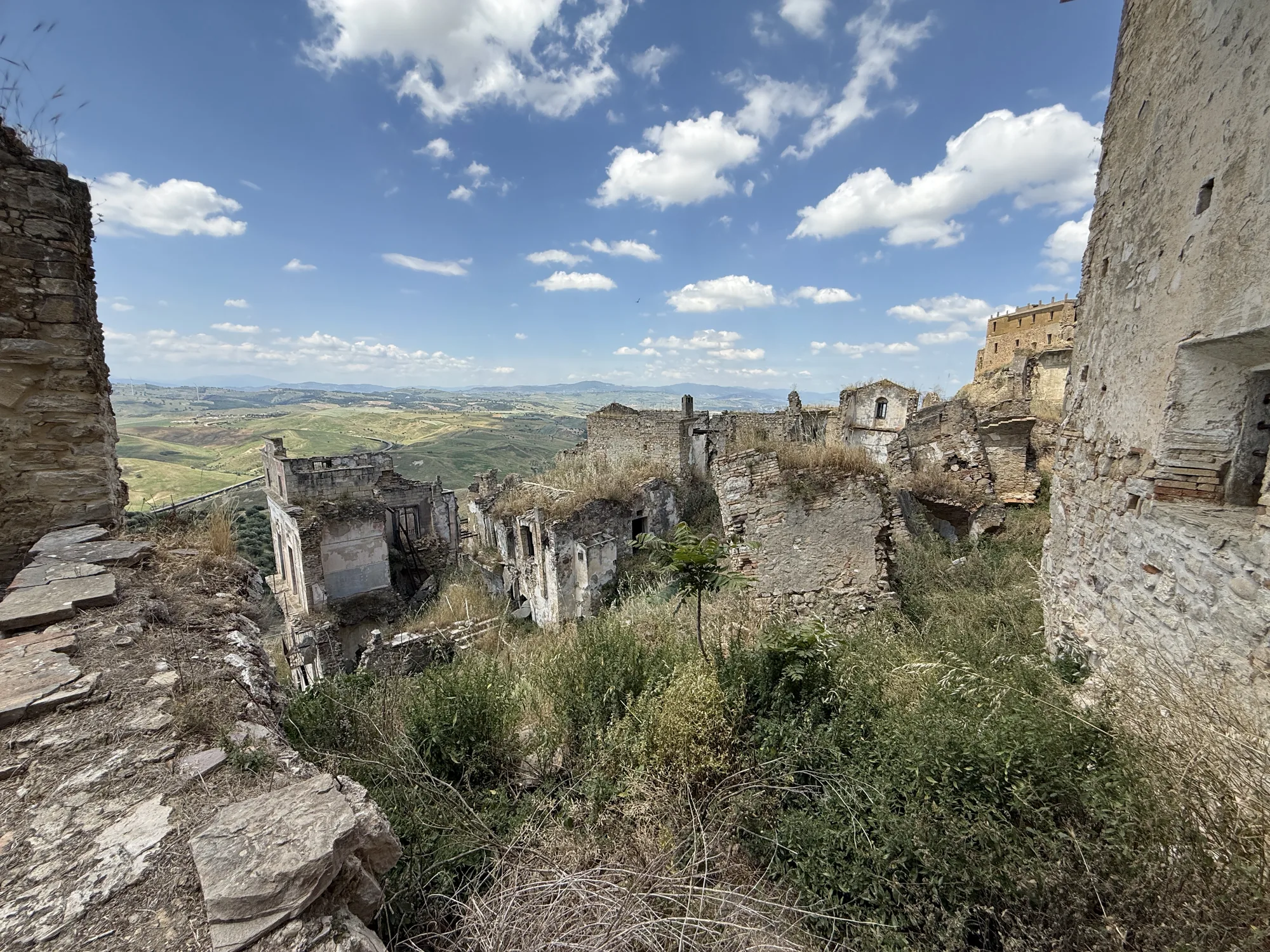
Drive from Aliano toward Craco — about 45 minutes, passing through the kind of interior landscape that makes you understand why people left and why those who stayed never quite stopped talking about it. The road drops into valleys and climbs back out with a persistence that feels almost argumentative.
Craco requires a guided visit — arrange in advance through the Craco Peschiera visitor center in the valley below the abandoned village. The guided walk through the medieval streets takes 60-90 minutes. Allow time before and after to simply look at the village from the valley road — the full silhouette of what was left behind is visible from a distance that the interior cannot give you.
Afternoon: drive to Pisticci or Tursi, both hill towns with a similar quality of abandonment-and-endurance that characterizes the Basilicatan interior. Neither is on the tourist circuit. Both are worth an hour of wandering.
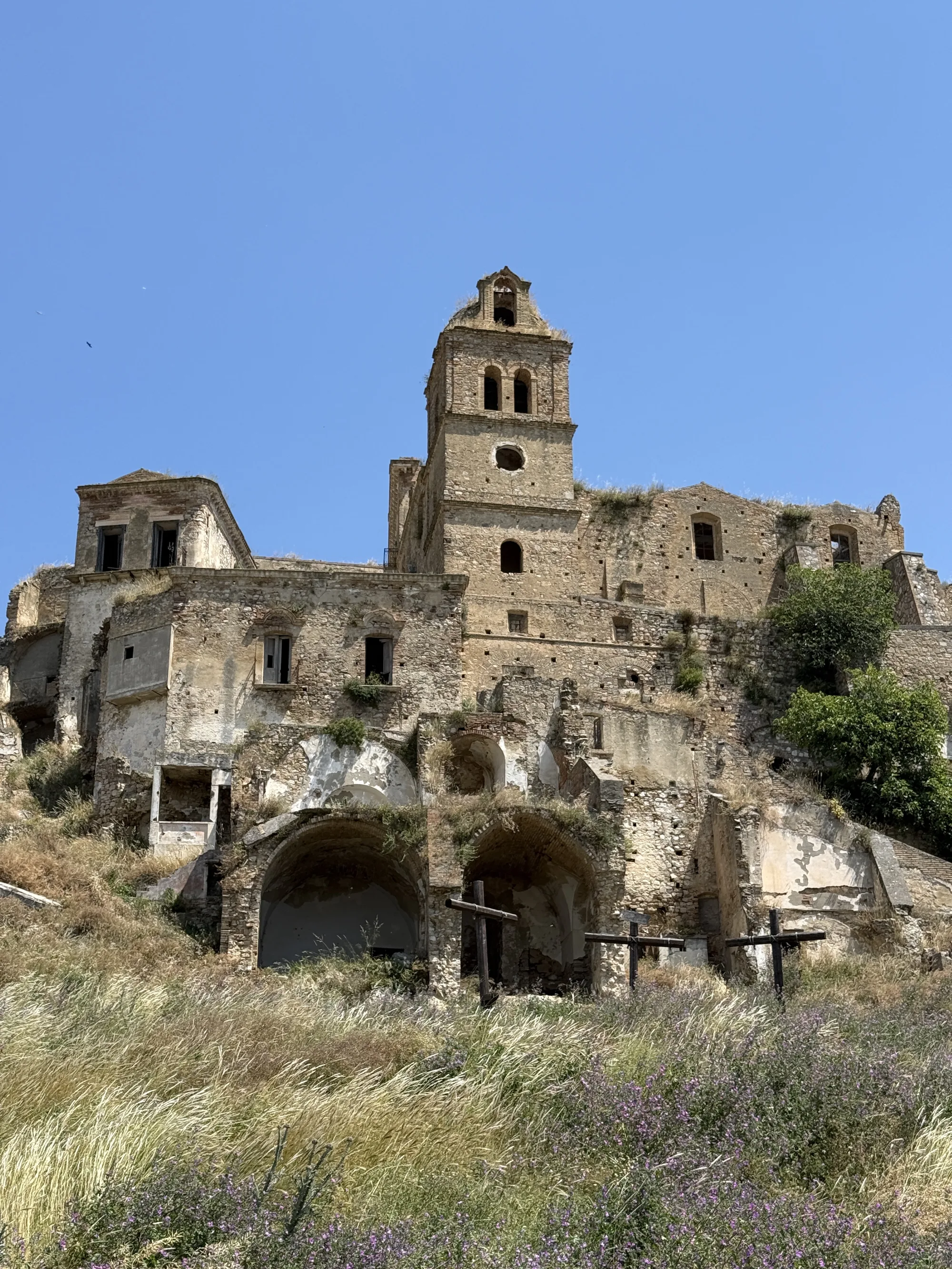
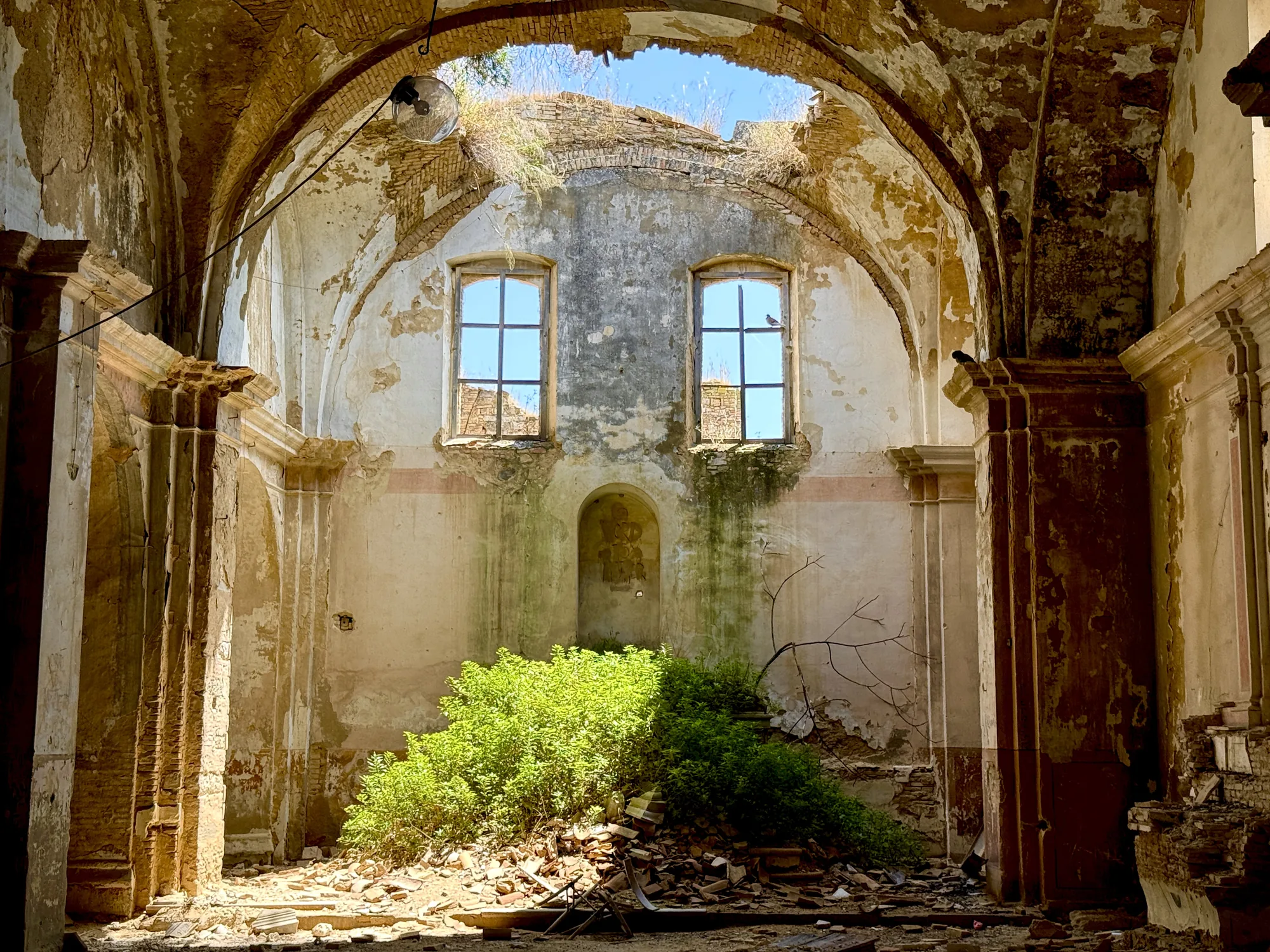
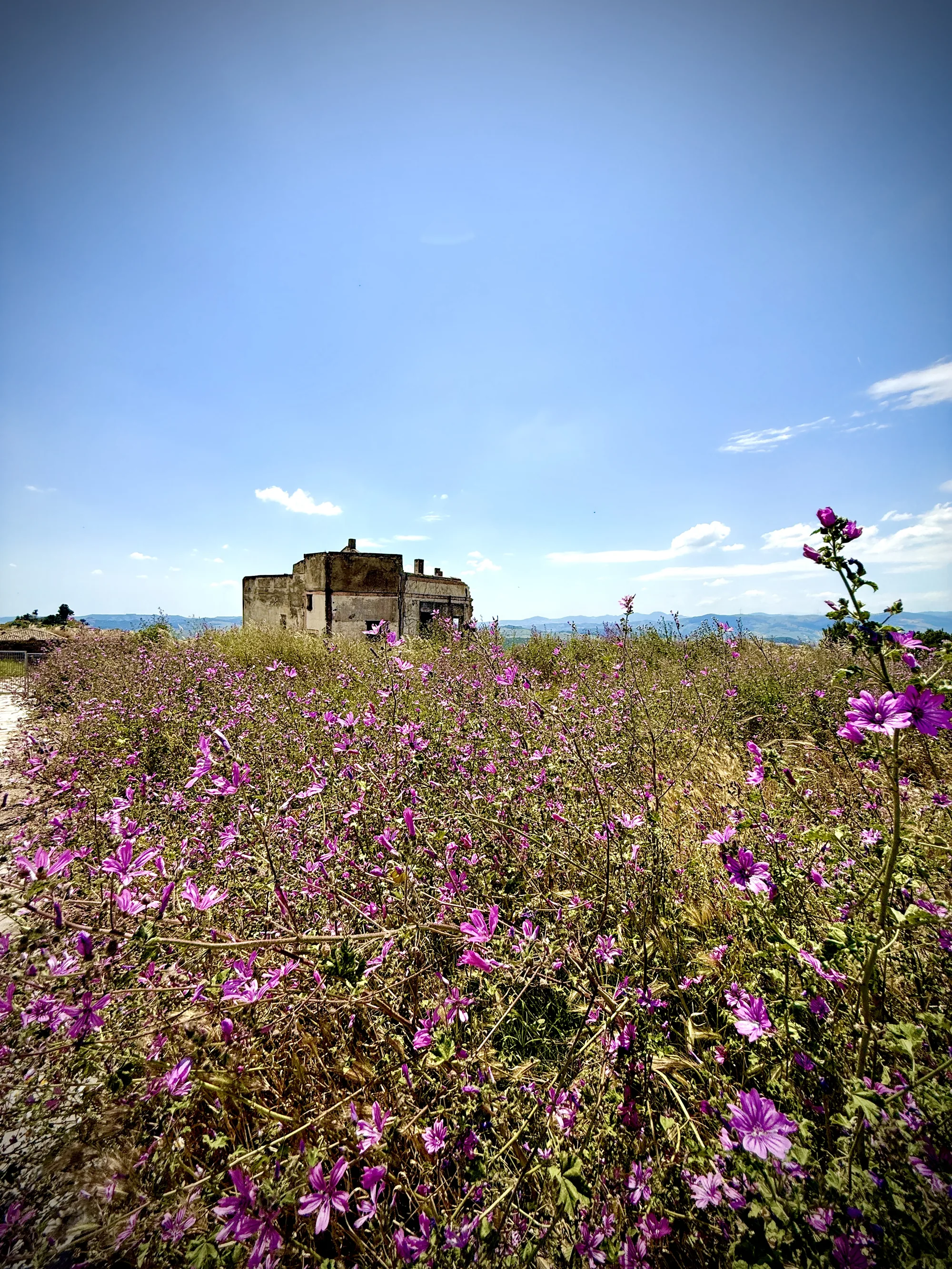
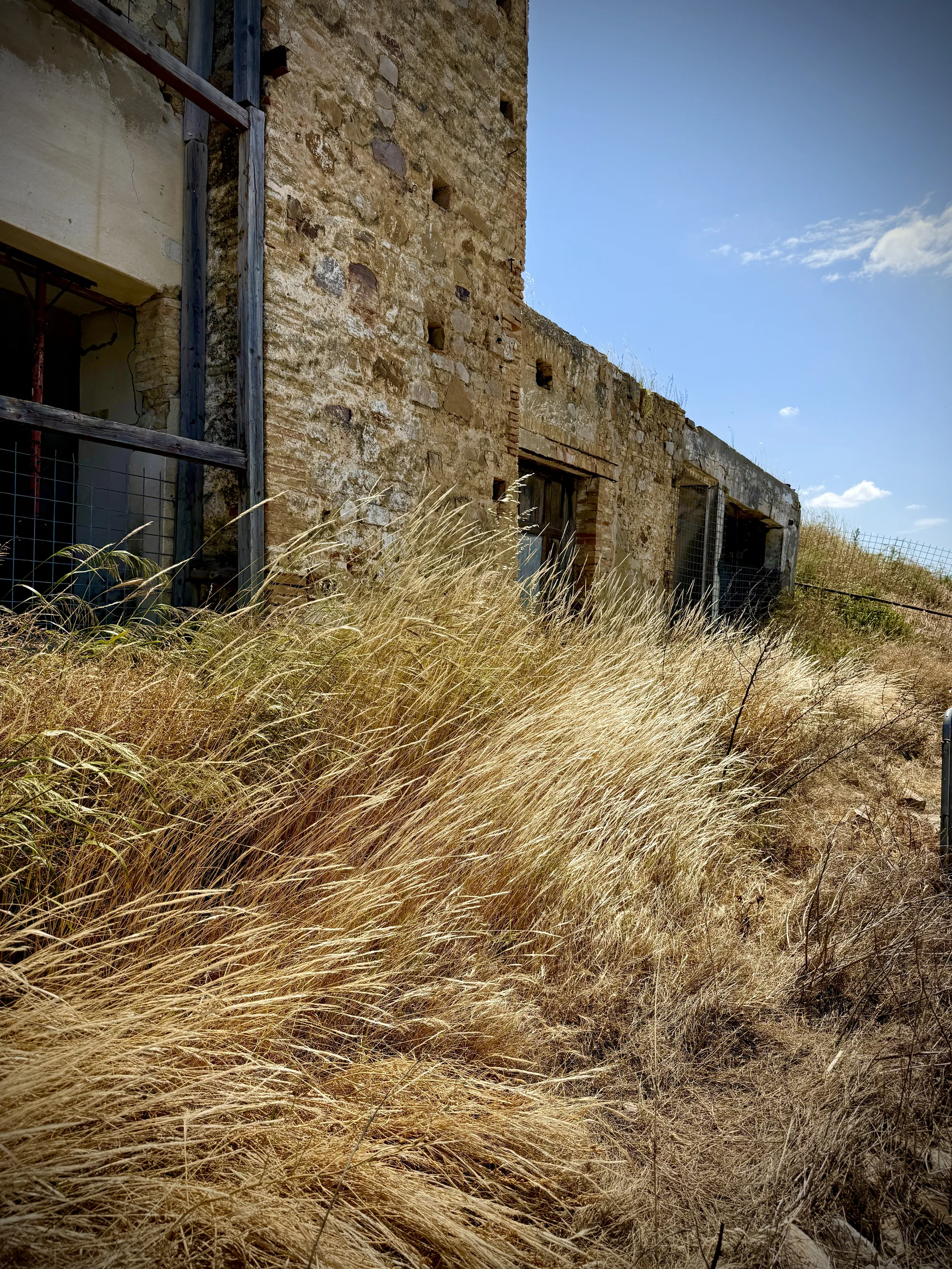
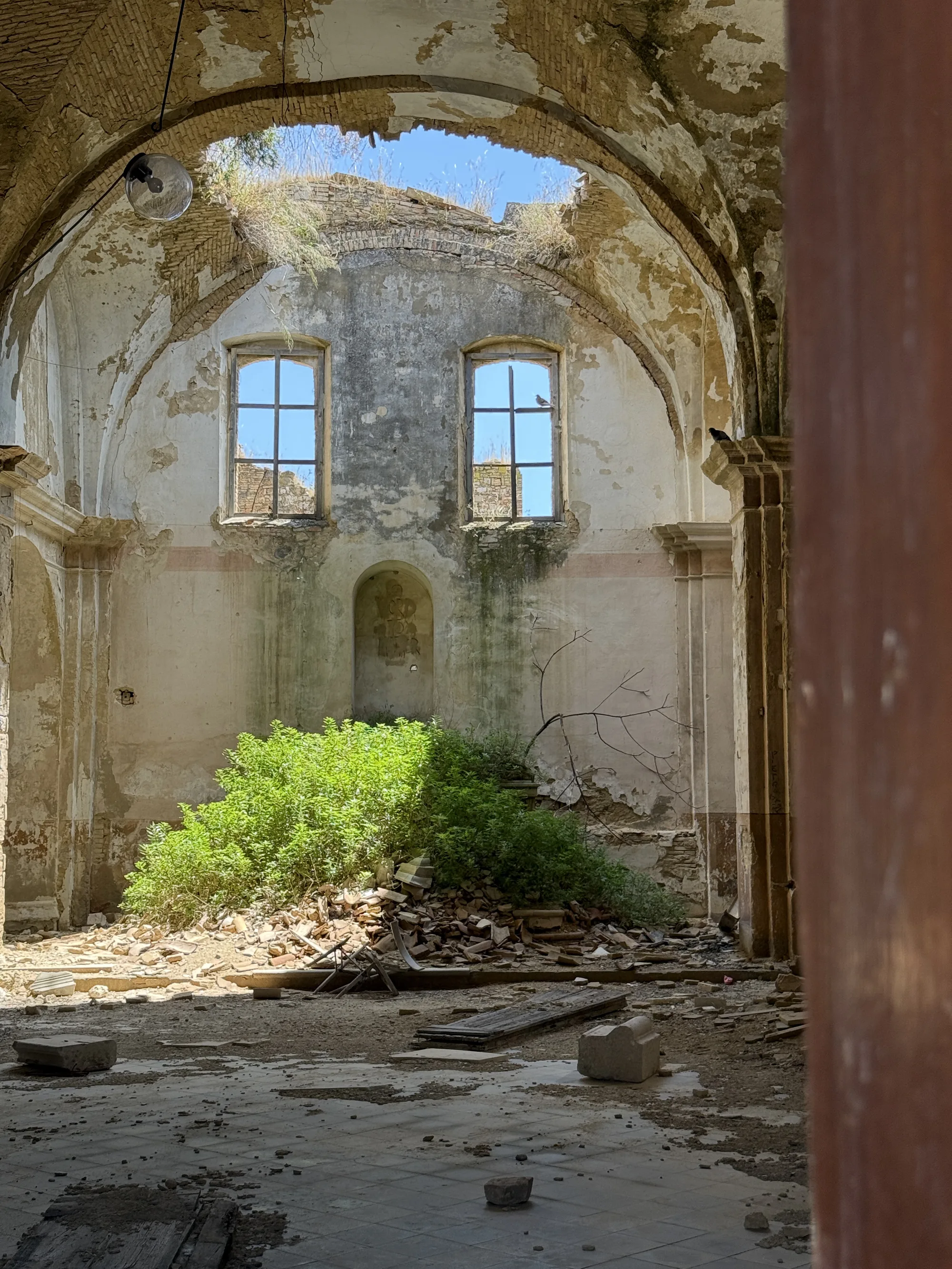
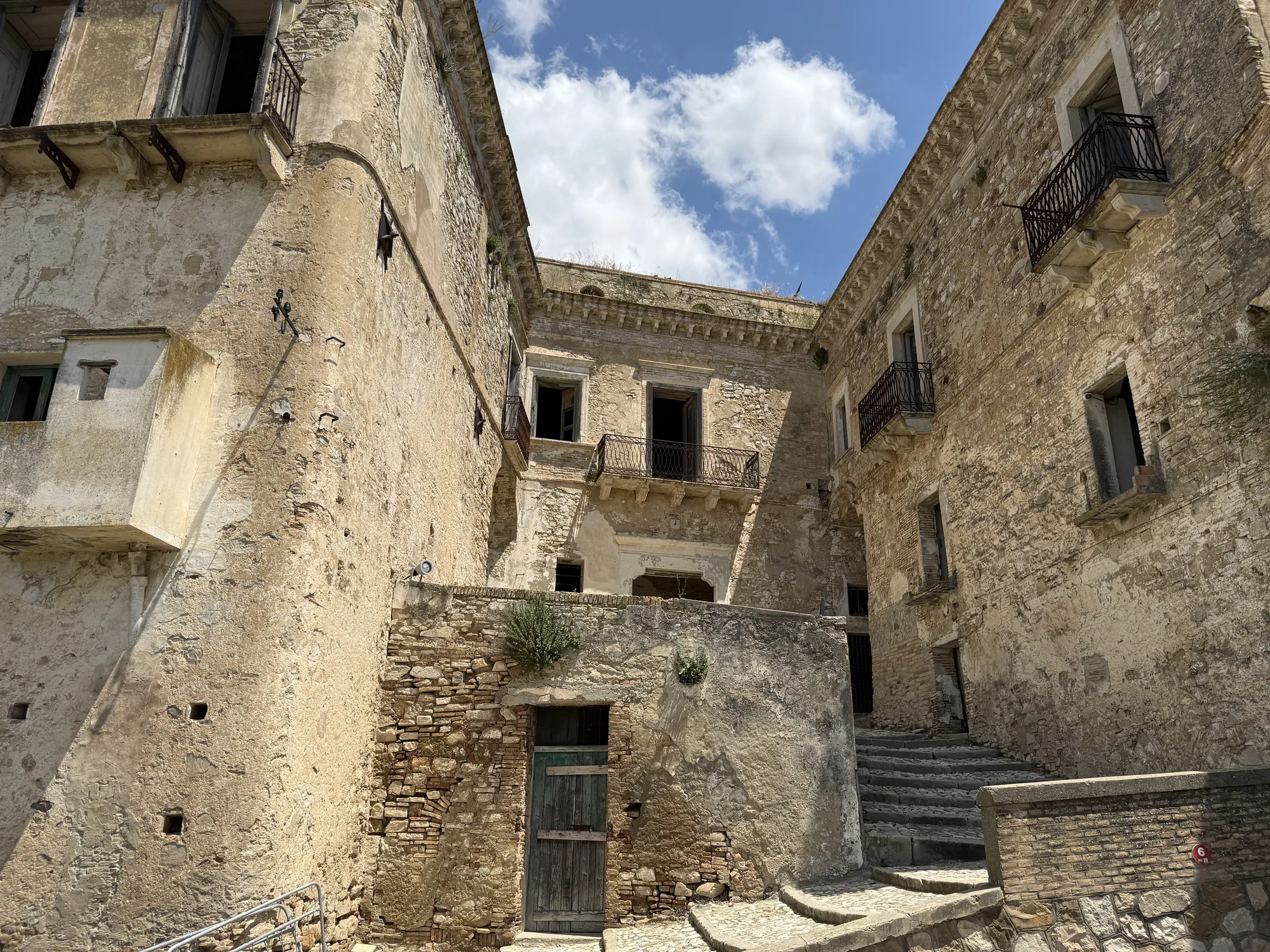
Craco — evacuated in 1963, suspended ever since in the slow act of returning to earth
Day 5 — Drive North: Monte Vulture and Aglianico
Today covers the most ground — drive north from the Craco area toward Monte Vulture, the extinct volcano in the northern reaches of the region. The journey takes about two hours and crosses through the broad Basento valley, passing Potenza on the ridge to the west if you want to detour into its extraordinary brutalist civic architecture.
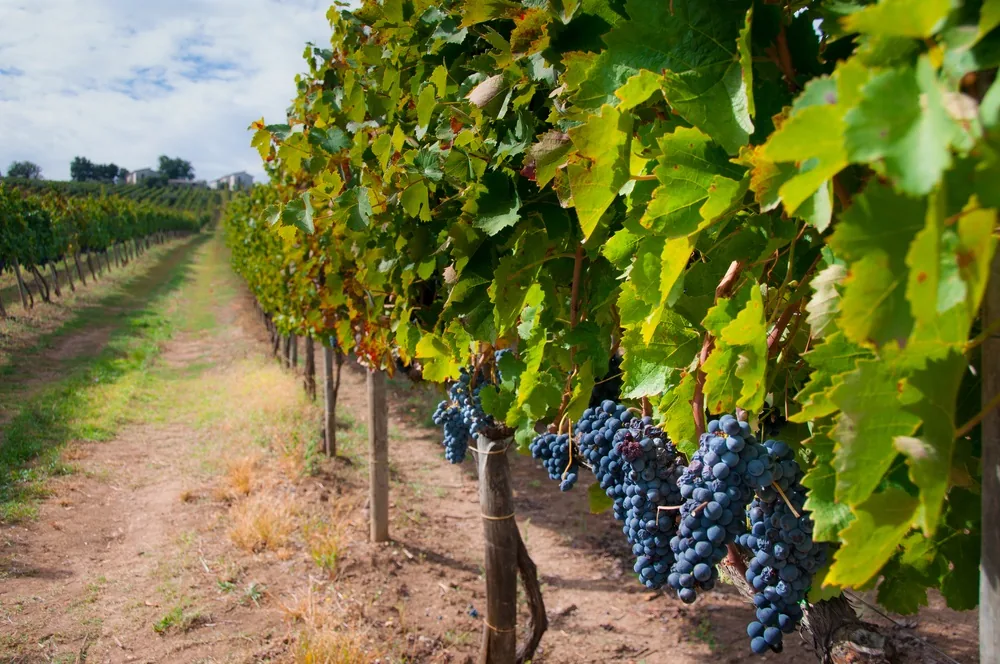
The Vulture zone rewards a slow afternoon: the twin crater lakes of Monticchio, the Norman castle at Melfi, and if you have arranged it in advance, a visit to one of the Aglianico del Vulture producers. Elena Fucci's estate near Barile is worth the effort — her Titolo is one of the finest wines made in southern Italy and the vineyard sits directly on the volcanic slopes of the Vulture.
Venosa, birthplace of the Roman poet Horace, is 20 minutes from Melfi and deserves an hour — the archaeological park and the extraordinary unfinished Trinità abbey church are among the most atmospheric ancient sites in Basilicata.
Where to stay: Melfi or Venosa for the night — both have good small hotels and a completely different character from the clay-and-silence interior you've been moving through.
Day 6 — Castelmezzano and the Dolomiti Lucane
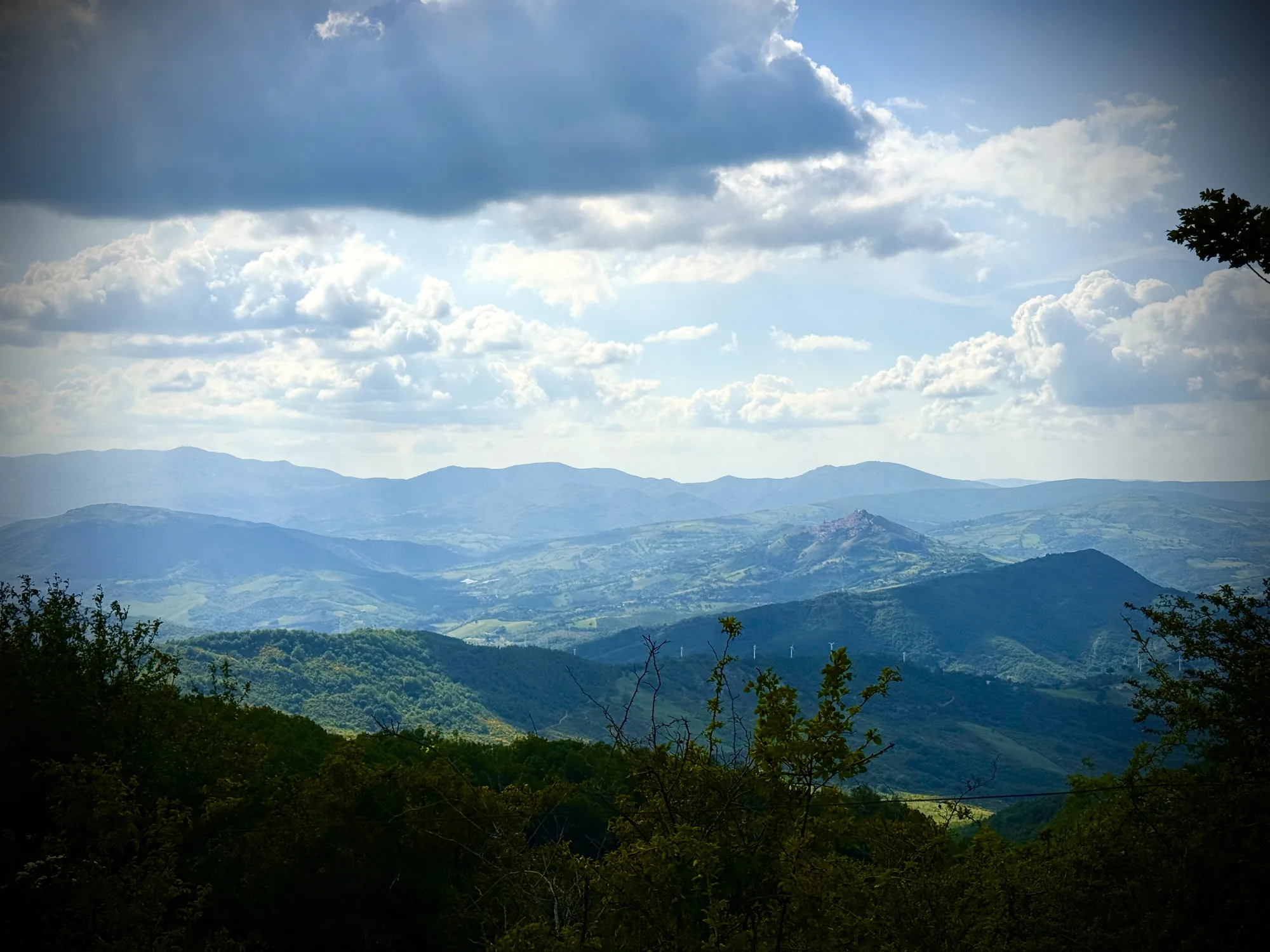
Drive south from the Vulture zone toward Castelmezzano — about 90 minutes through the Basento valley. The approach from the valley floor is the right approach: the limestone pinnacles announce themselves from a distance and the road tightens steadily as you climb, the switchbacks insisting on the full ceremony of arrival.
Spend the morning in Castelmezzano — walk the stone streets before the day visitors arrive, find the belvedere that looks across the gorge to Pietrapertosa, eat at one of the small restaurants in the village. The afternoon belongs to Pietrapertosa — drive the 20 minutes, climb to the Saracen ruins at the summit if the path is open, look back at Castelmezzano from the opposite ridge.
The Volo dell'Angelo zipline connecting the two villages operates seasonally and requires booking in advance. It is, by all accounts, extraordinary. But the walk between the villages via the Sentiero delle Sette Pietre is quieter and gives you the gorge at human pace.
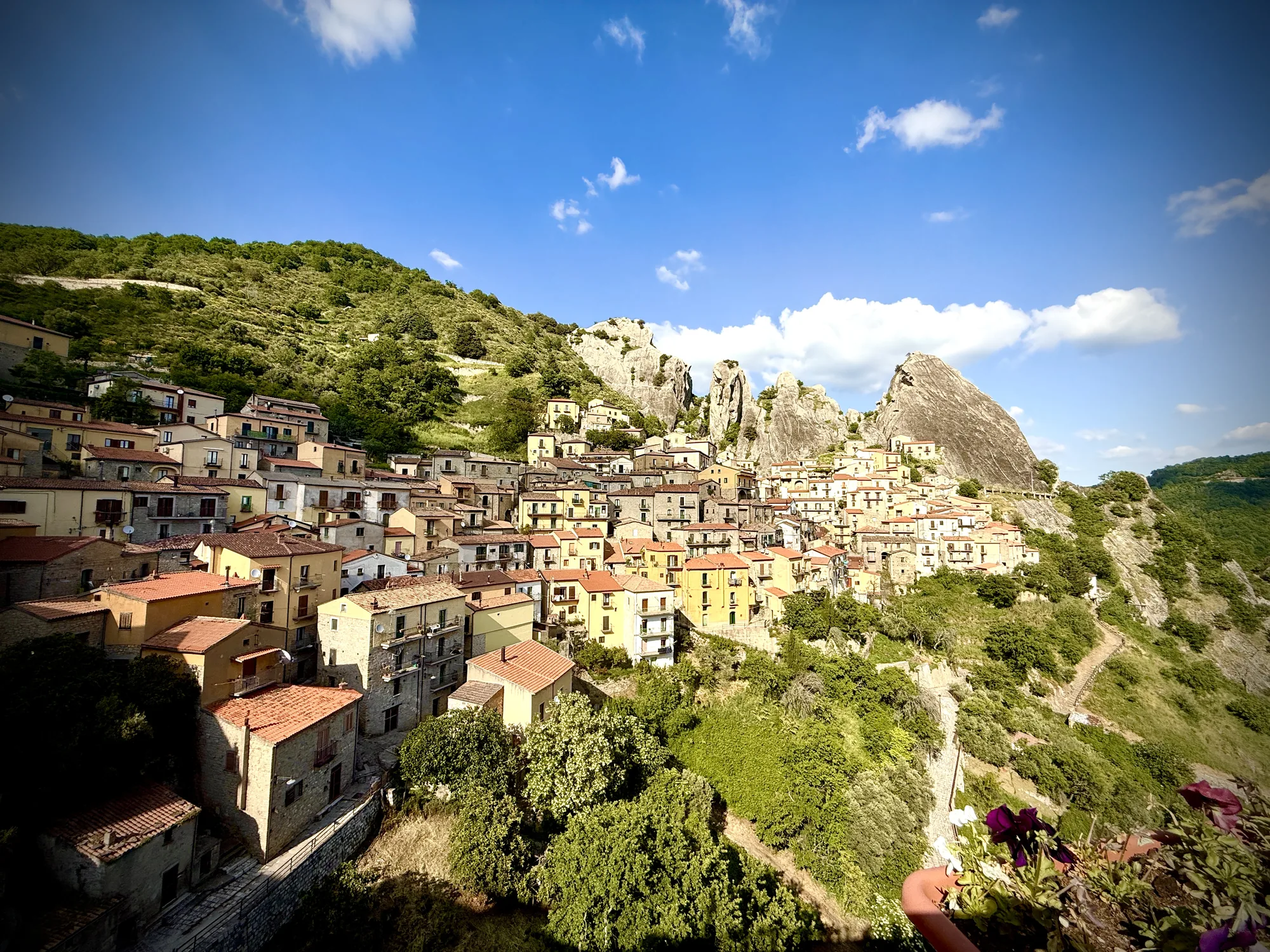
Castelmezzano — a jewel perched on a jagged edge, inseparable from the rock it grows from
Day 7 — Maratea: The Tyrrhenian Farewell
Drive west from Castelmezzano toward Maratea on the Tyrrhenian coast — about 90 minutes through the Agri valley and into the mountains that separate the interior from the sea. The descent toward the coast is one of the most dramatic drives in the region: the landscape changes completely as the limestone gives way to the maritime cliffs and the Tyrrhenian appears below.
Maratea rewards an unhurried final day. Walk down to the porto, swim in the clear water, eat fish for the first time in a week. The Cristo Redentore statue on the summit above the town is worth the drive up — the view from the feet of the statue takes in the entire curve of the Gulf of Policastro and, on a clear day, the outline of Sicily.
This is a different Basilicata from the interior — lighter, more Mediterranean, easier. After six days of clay ravines and ghost towns and volcanic wine country, it functions as a kind of exhale. You have earned it.
Practical Notes for Your Basilicata Trip
Getting there: Fly to Bari (45 minutes from Matera) or Naples (2.5 hours). Both have good connections from major European cities. Rome is 4 hours by car.
Car rental: Essential. Pick up at the airport and keep it for the full week. The roads are slow — budget more driving time than Google Maps suggests.
When to go: April to June and September to October. July and August are hot and the tourist infrastructure around Matera becomes crowded. The interior is always quieter.
Language: English is spoken in Matera and Castelmezzano. In the interior villages, Italian is essential. A few words of dialect — Lucano rather than standard Italian — will be appreciated enormously.
Budget: Basilicata is significantly cheaper than northern Italy or the Amalfi Coast. Excellent meals for €25-35 per person including wine. Cave hotels in Matera are the main expense — budget €150-250 per night for the experience, less for standard accommodation.
What to read before you go: Carlo Levi, Christ Stopped at Eboli (1945). Non-negotiable. Read it on the plane.
This itinerary can be compressed to five days by skipping Monte Vulture or Maratea, or extended to ten by spending more time in each zone. Basilicata rewards slowness. Whatever time you have, use less of it driving and more of it stopping.