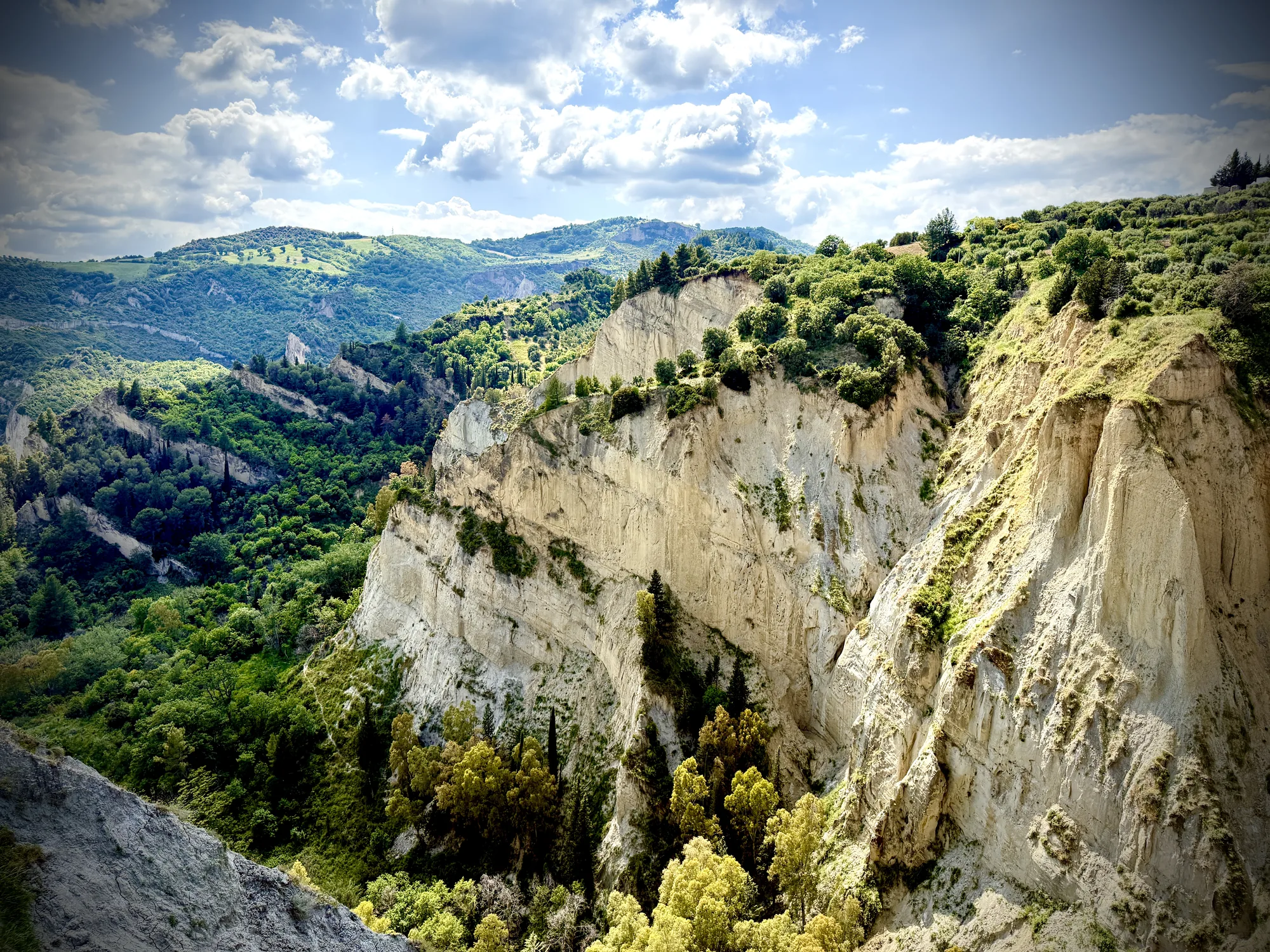
The Calanchi, Aliano — Valle del Sauro
Independent Editorial Guide to Basilicata, Italy
Before the algorithm. Before the crowds. Yours to discover.
Basilicata is not undiscovered. It was simply left alone — by prosperity, by tourism, by the great Italian myth machine. What remained is something rarer than beauty: authenticity with depth. Landscape shaped by millennia. Culture preserved by isolation. A dignity earned, not performed.
The Argument
In an age of algorithmic noise and digital malaise, Basilicata offers something irreducibly specific — a landscape that demands your presence, a culture that preserved what prosperity erased elsewhere, a place where man and universe find something that feels, improbably, like sync.
Carlo Levi arrived in Aliano as a political exile and left with a masterwork. The great writers who encountered the Mezzogiorno were transformed by it. Basilicata has always inspired serious writing — and demands it still.
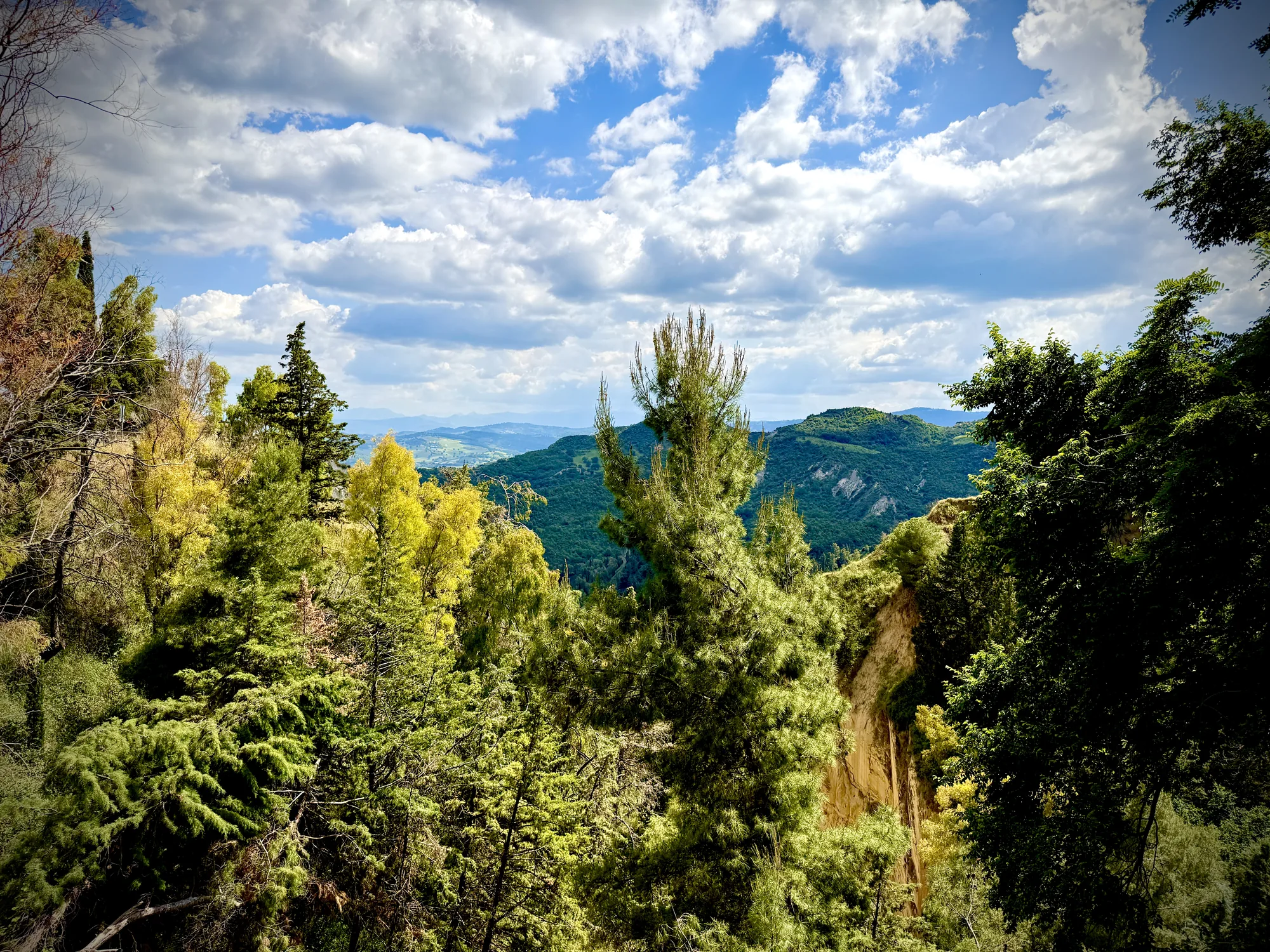
The Calanchi of Aliano. The Dolomiti Lucane. The Pollino wilderness. The ghost town of Craco suspended above its valley. This is landscape as geological argument — ancient, austere, absolute.
Aglianico del Vulture grown in volcanic soil. Ceramics fired in Ferrandina. Shepherds who still follow ancient transumanza routes. A culture that endured because it never needed to perform for anyone.
The Complete Guide
Eight original essays on the places, history, culture, and wine of Basilicata — plus a complete practical guide with a seven-day itinerary, territory overview, accommodation recommendations, food guide, and reading list.
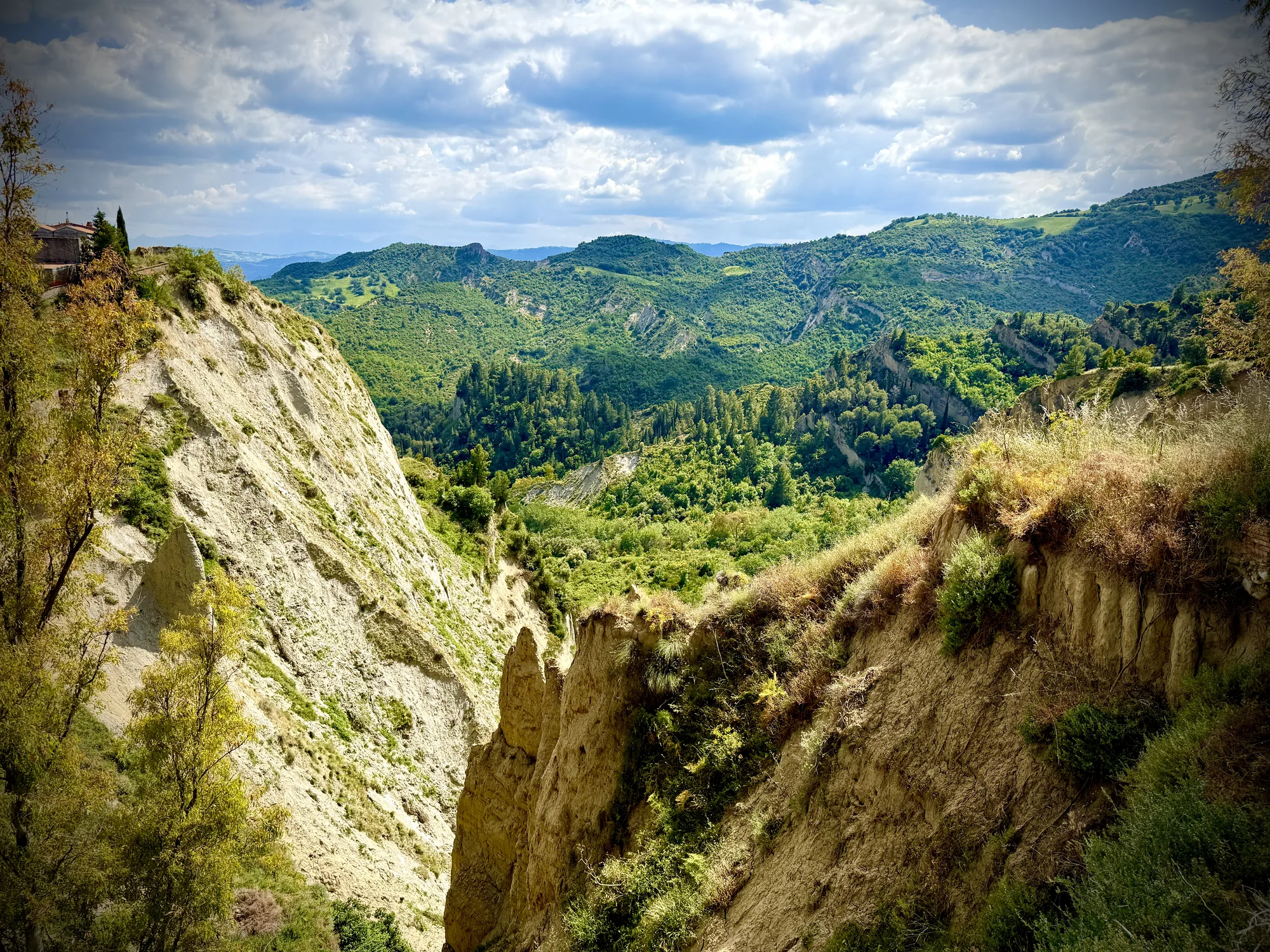
Featured Place
Village of Exile, Landscape of Revelation
Perched above the surreal clay ravines of the Calanchi, Aliano is where Carlo Levi was sent as a political prisoner in 1935 — and where he wrote one of the great documents of Italian conscience. The village has changed little. The Museo Carlo Levi preserves his paintings and manuscripts. The Calanchi stretch below like a lunar wound in the earth. There is no crowd. There is only the view, the silence, and the feeling that you have arrived somewhere that asked nothing of the modern world and received it.
Read the full dispatch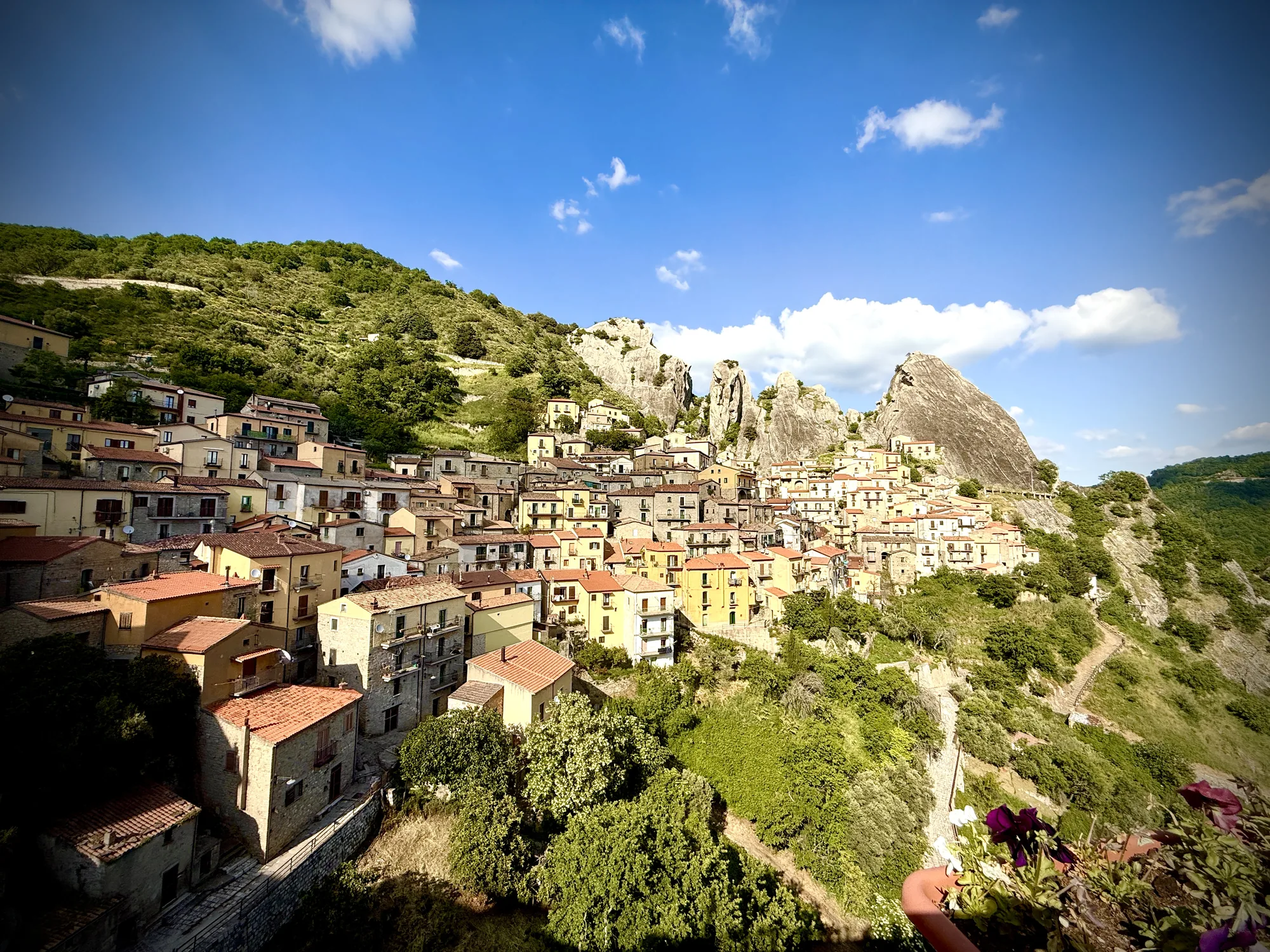
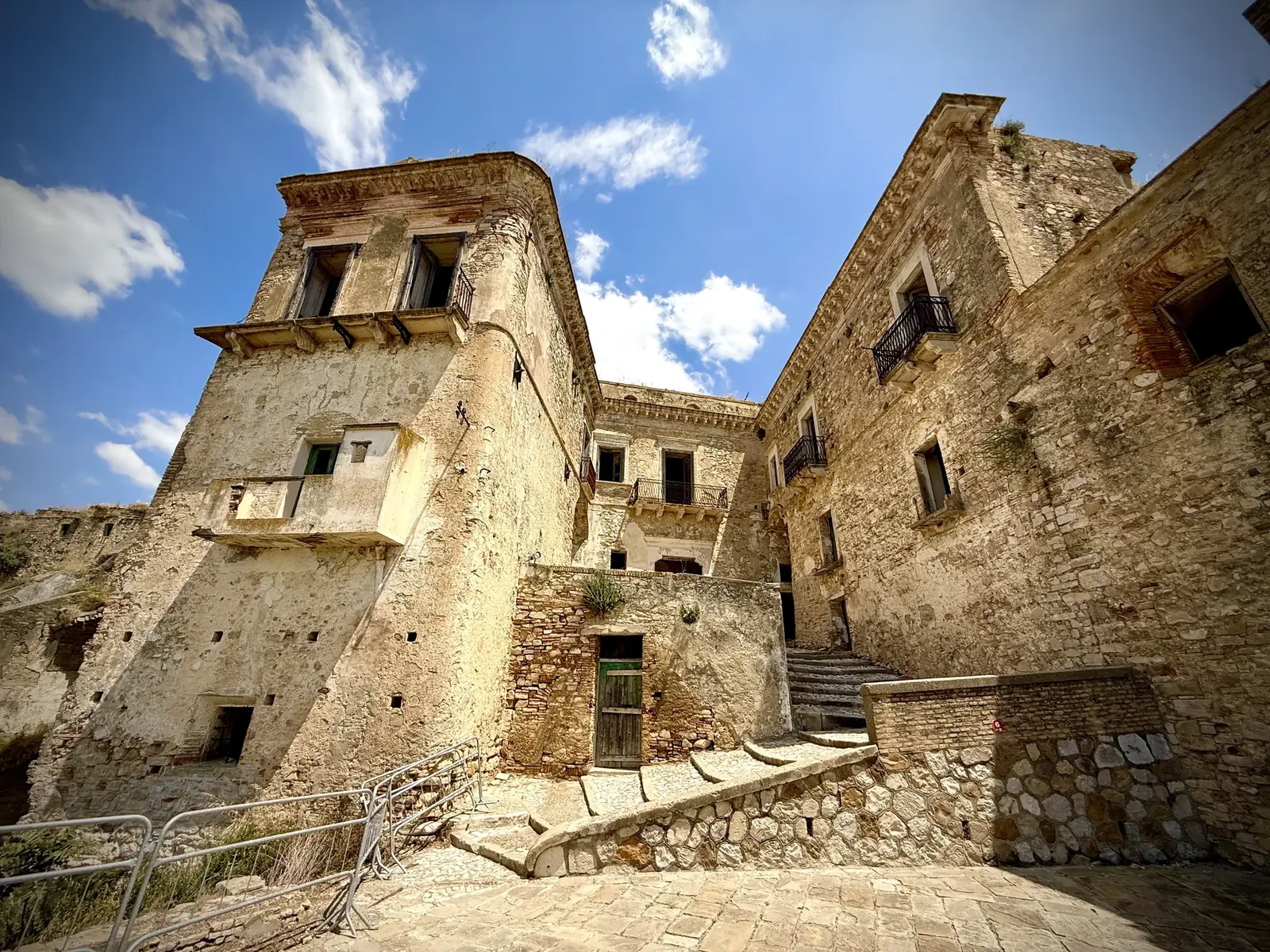
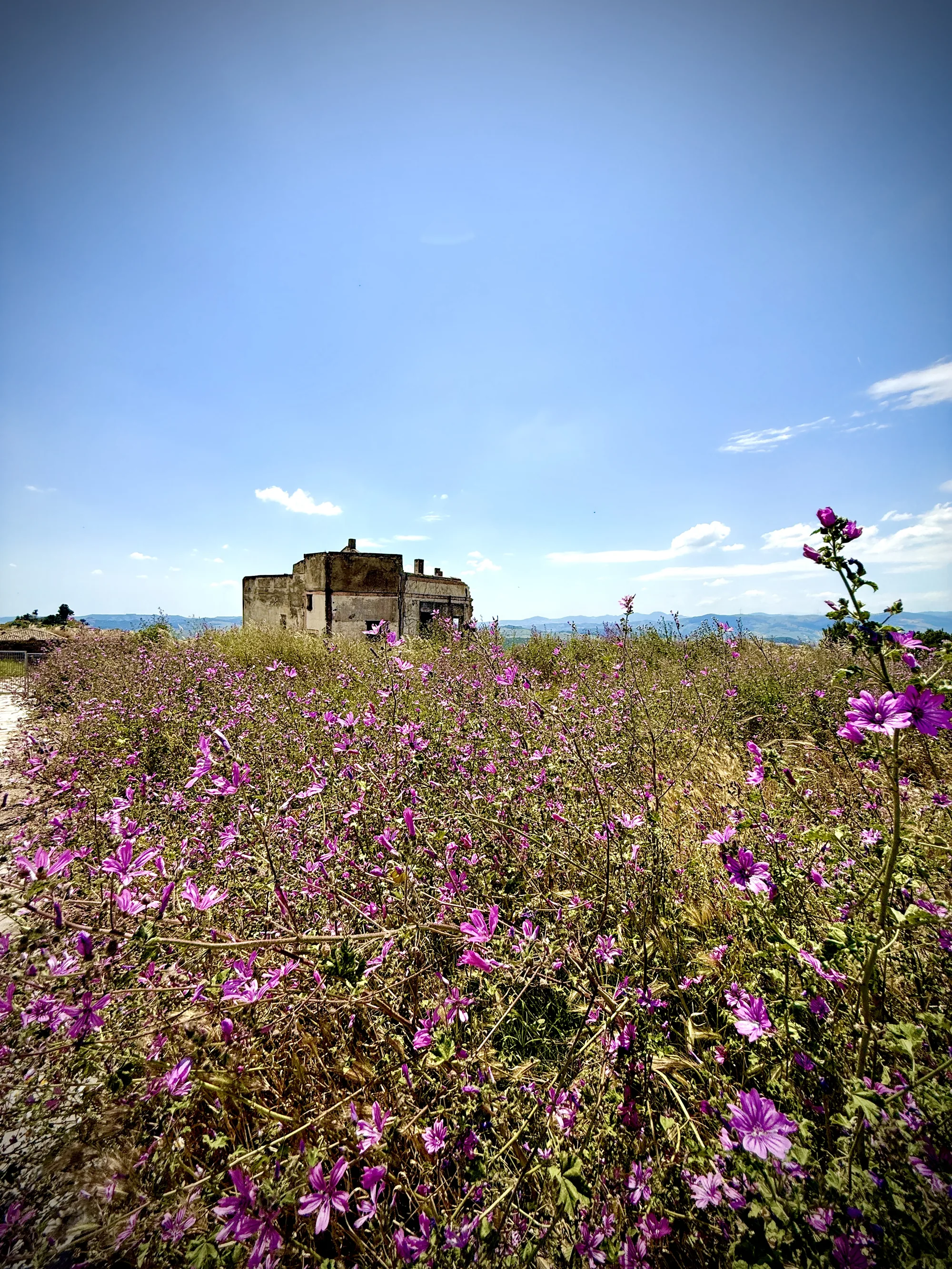
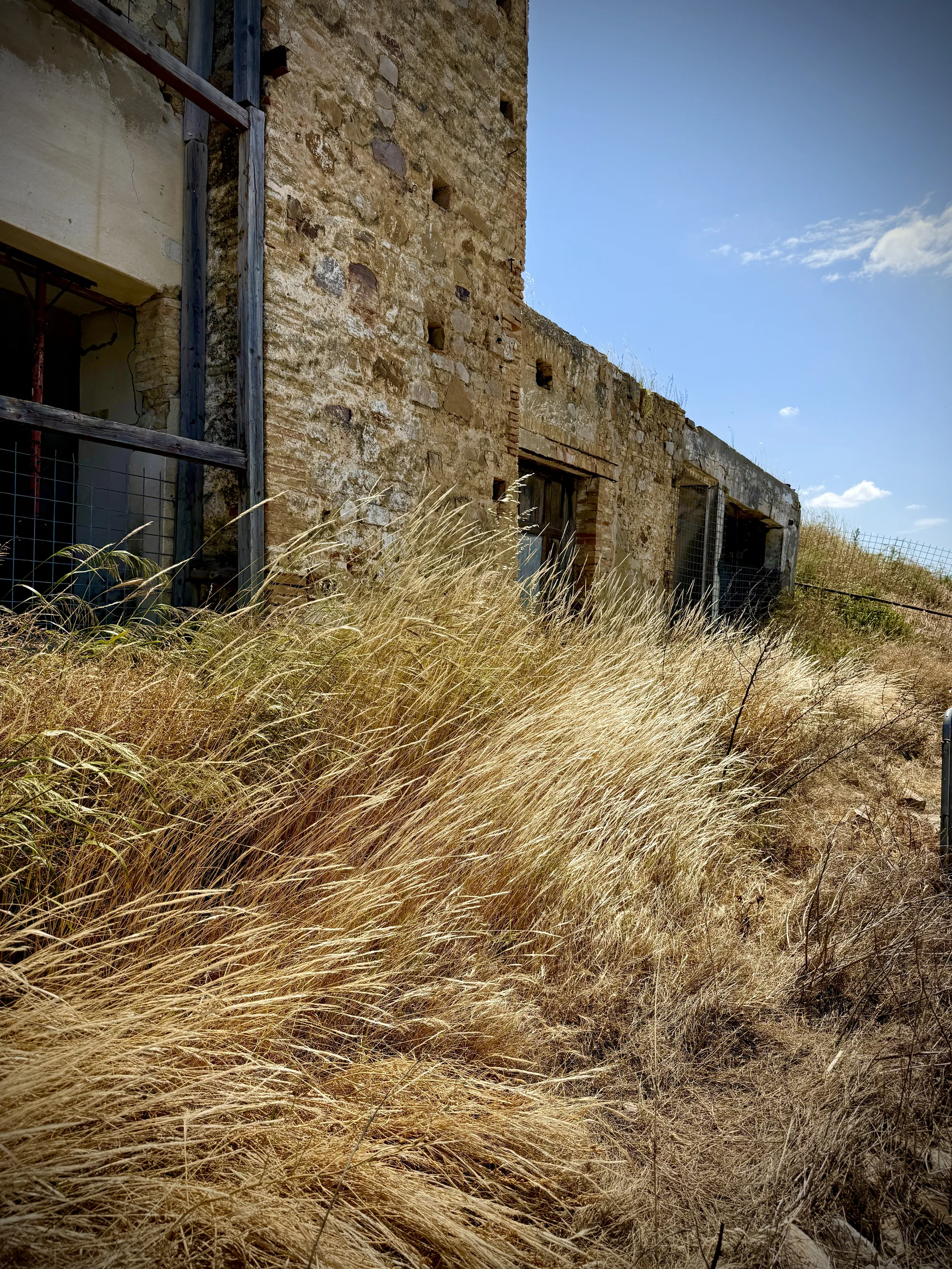
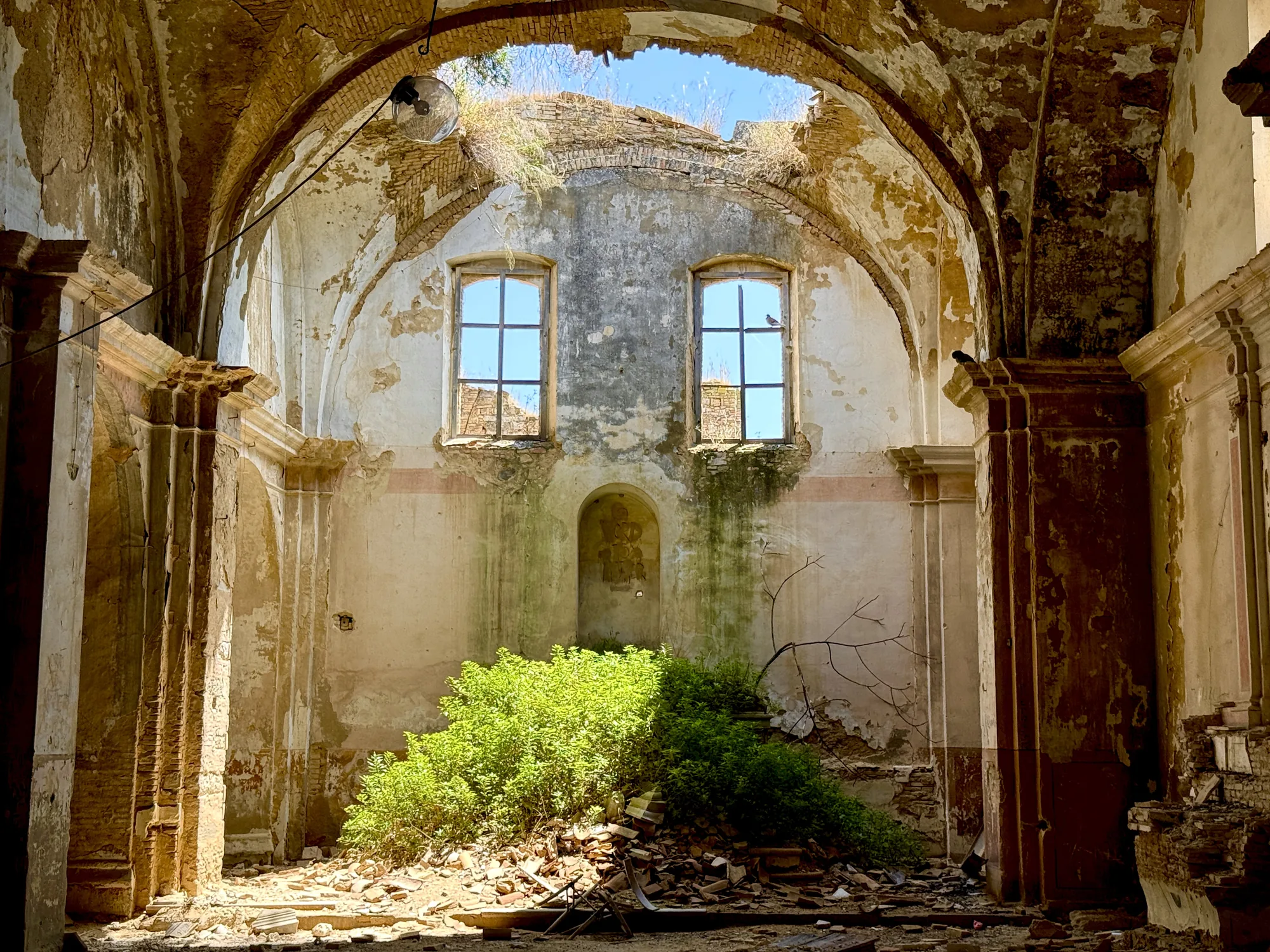
A bush grows where the altar once stood. The roof is open sky. Craco was evacuated in 1963 after a landslide — but the buildings remain, suspended in the act of slowly returning to earth. A meditation on abandonment, time, and the particular dignity of the forgotten.
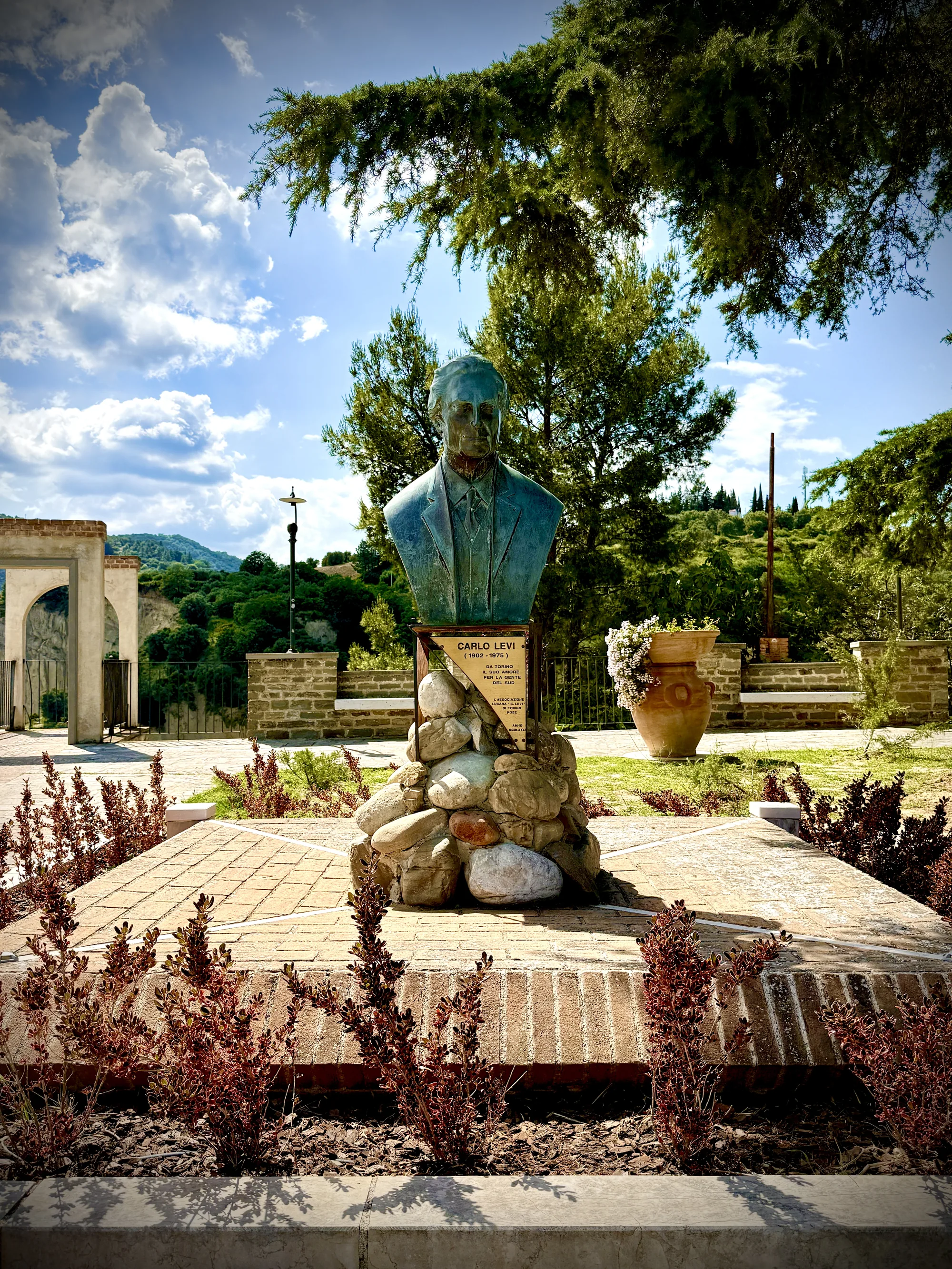
His exile produced a masterwork. But the paintings he made in Aliano tell a different story than the prose — more visceral, less mediated.
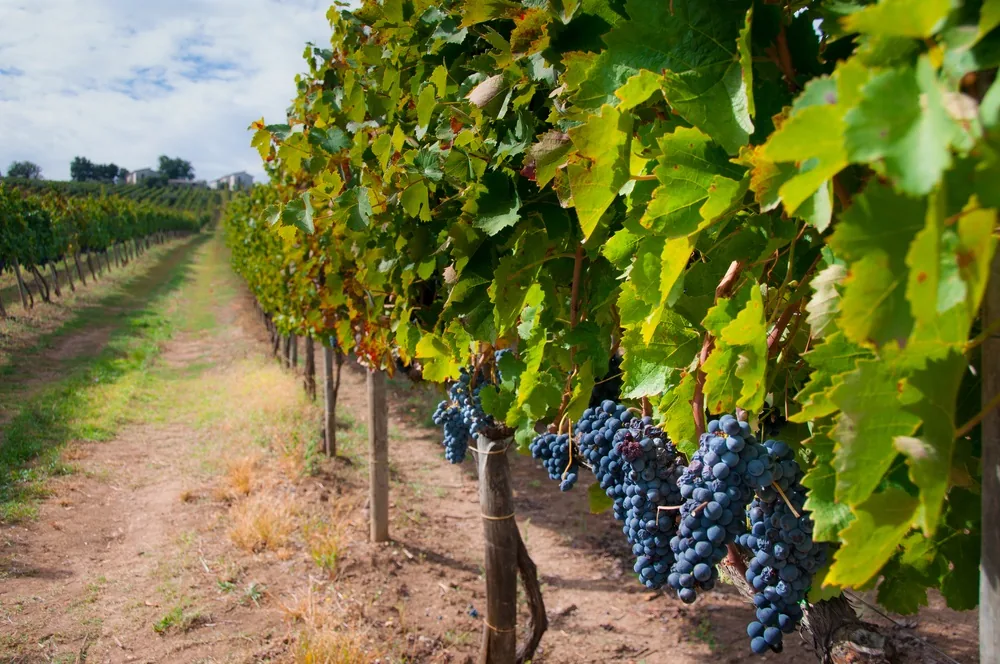
The volcanic soils of Monte Vulture produce one of Italy's most underrated reds — a wine of austerity and slow revelation.
Where stone towers over stone, and the village clings to both.
FREQUENTLY ASKED
Basilicata is known for Matera — one of the oldest continuously inhabited cities on earth and a UNESCO World Heritage Site — the ghost town of Craco, the Calanchi clay ravines of Aliano, the Dolomiti Lucane mountain formations, the Aglianico del Vulture wine, and two national parks: Il Pollino (Italy's largest) and the Parco Nazionale dell'Appennino Lucano Val d'Agri.
Basilicata is one of the most rewarding regions in Italy for travelers who prefer depth over convenience. Extraordinary landscape variety, genuine cultural authenticity, almost no crowds outside Matera, and some of the finest food and wine in southern Italy. It requires a car and a willingness to go slowly — but those qualities are precisely what make it worth visiting.
September and October are the best months — the heat softens, the light becomes extraordinary, tourist pressure drops sharply, and the Aglianico harvest is underway. April and May are equally good: wildflowers, mild temperatures, the landscape at maximum variety. Winter is austere and quiet — Matera in snow is extraordinary.
The most practical entry point is Bari Airport (BRI) — 45 minutes from Matera, well connected from major European cities. The FAL railway connects Bari to Matera in approximately 1.5 hours. A rental car is essential for anywhere beyond Matera. The interior requires driving — and the roads are slow and beautiful.
The Calanchi are clay badlands — eroded ravines of pale ochre clay, shaped by millions of years of rain into a landscape unlike anything else in Italy. The most dramatic are above Aliano, where Carlo Levi was exiled in 1935 and which he documented in Christ Stopped at Eboli. Best seen in the early morning when the low sun defines the erosion patterns in maximum contrast.